Elevate Your Space: The Influence of Skilled Architectural Design Expertise
Expert architectural design solutions serve a vital function in transforming spaces. These services merge practicality with visual appeal, making certain that all projects fulfill both operational demands and design criteria. Designers utilize cutting-edge methods and eco-friendly approaches, adapting their concepts to suit local expectations. Yet, numerous individuals fail to recognize how these offerings can unlock the full capabilities of their spaces. Investigating the wide-ranging merits of collaborating with an architect exposes discoveries that could revolutionize any setting.
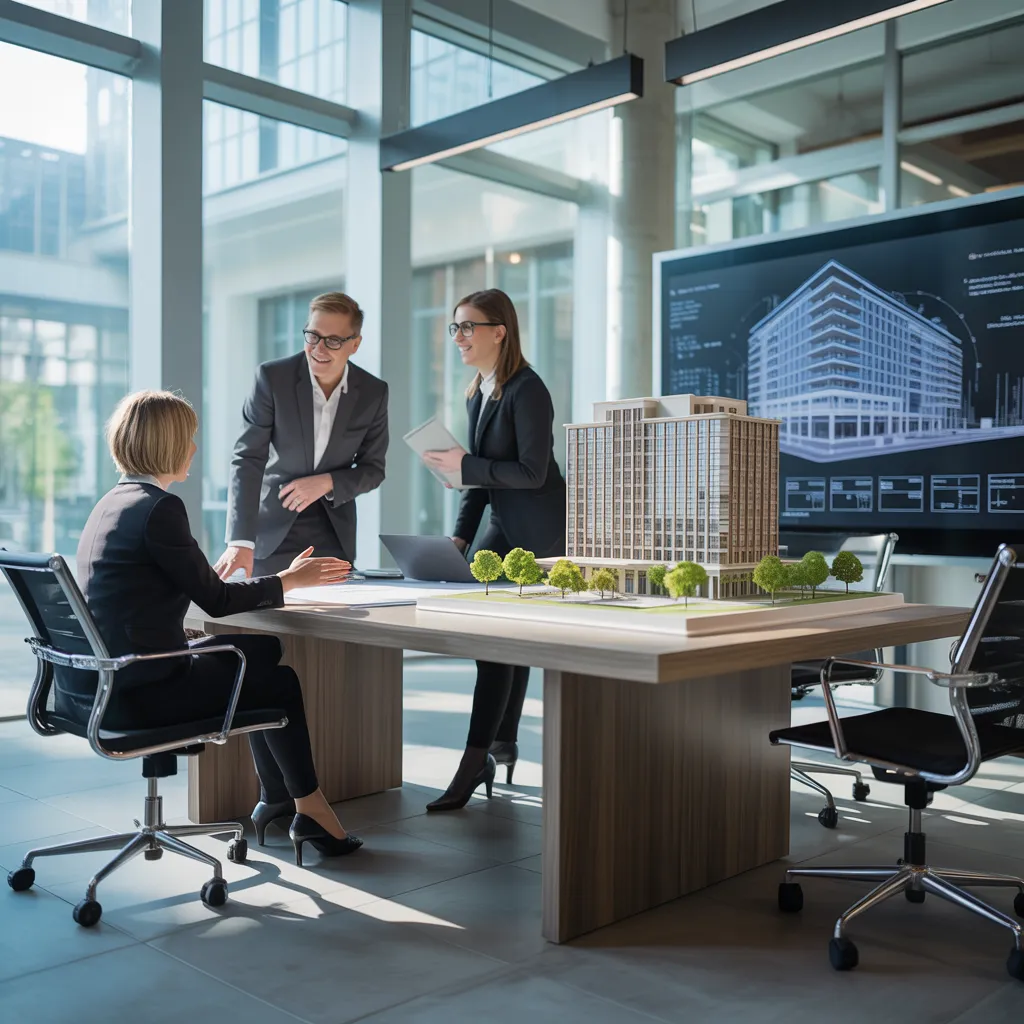
Exploring the Advantages of Expert Architectural Services
Uncovering the significance of professional architectural design is fundamental for optimizing both efficiency and design quality in any endeavor. Effective architectural design transcends simple visual appeal; it integrates the principles of structural integrity, space planning, and environmental sustainability. By applying advanced techniques and a deep understanding of materials, architects craft spaces that are not only aesthetically impressive but also functional and purposeful.
Moreover, skilled architects account for the particular context of each individual project, including climate, local regulations, and community needs. This holistic approach confirms that the design is not only innovative but also compatible with its environment. They employ advanced technology, such as advanced 3D modeling, to provide clients with a clear vision of the finished structure. In the end, opting for professional architectural design yields enduring advantages, enhancing both the experience of the occupants and the overall value of the property.
Major Benefits of Working with an Architect for Your Design Project
Working with an architect for a building project offers numerous advantages that elevate both the process and the final outcome. Architects bring a wealth of expertise, making certain that projects meet local regulations and building codes, which can avoid expensive problems down the line. Their ability to develop detailed plans and specifications helps optimize the construction process, decreasing delays and miscommunication among contractors.
Additionally, architects excel at coordinating projects, handling diverse aspects of the design and construction phases. This oversight guarantees that deadlines and financial plans are maintained, providing clients with peace of mind. Moreover, architects can identify potential challenges in the initial stages of the design process, facilitating early problem resolution. Their expertise in construction materials and methods can lead to innovative solutions that enhance efficiency and promote sustainability. At the end of the day, engaging an architect not only transforms the design initiative but also enhances the overall experience for clients.
Improving Aesthetics and Functionality Through Architectural Knowledge
Architecture expertise serves a vital role in improving both visual appeal and functionality in design projects. By applying creative design approaches, maximizing space utilization, and selecting sustainable materials, architectural professionals can craft environments that are visually appealing and practical. This strategy not only addresses client expectations but also encourages sustainable practices.
Progressive Design Concepts
Creative architectural solutions redefine spaces by effortlessly merging visual appeal with practicality. Architectural professionals employ creative strategies to fulfill unique client expectations while enhancing visual appeal. By utilizing textures, hues, and structures that resonate with the environment, designers create unified settings that capture distinctive styles. Modern technology, including 3D modeling and virtual reality, allows for immersive simulations, allowing clients to preview designs prior to execution. In addition, adopting green design principles ensures that spaces are both visually appealing and environmentally responsible. Through careful consideration of brightness, layout, and transitions, these methods optimize usability and foster a sense of well-being. Above all, innovative design fosters a powerful connection between efficiency and aesthetic appeal, enhancing the standard of both residential and professional spaces.
Space Efficiency Strategies
Optimizing space requires strategic planning and design techniques that elevate both appearance and usability. Skilled architectural design professionals apply techniques including open floor plans, that do away with superfluous walls and cultivate an airy atmosphere. Versatile furniture pieces can be incorporated to fulfill multiple roles, ensuring that every square foot is utilized effectively. Additionally, thoughtful placement of windows and mirrors can generate the impression of more spacious rooms, drawing in natural light and enhancing visual depth. Designers also account for circulation patterns, making certain that navigation through a space is both natural and streamlined. By prioritizing these optimization techniques, architects transform environments into harmonious areas that not only look appealing but also cater to the practical needs of their occupants.
Eco-Friendly Material Selections
While prioritizing sustainability, architects increasingly turn to sustainable materials that improve both visual appeal and performance. Utilizing materials such as bamboo, reclaimed wood, and recycled metal not only lessens environmental harm but also introduces unique charm to living spaces. These decisions support a balanced design approach, blending seamlessly with natural surroundings. Furthermore, integrating options such as low-VOC paints and energy-efficient glass improves indoor air quality and enhances thermal performance, ultimately benefiting occupant health and comfort. Through the thoughtful choice of sustainable materials, architects craft beautiful settings that appeal to sustainability-minded clients. This approach fosters a more responsible architectural practice, demonstrating that aesthetics and environmental responsibility are compatible, while addressing the pressing need for environmentally friendly solutions in modern design.
The Way Technology Influences Contemporary Architectural Designs
Currently, a multitude of technological advancements profoundly shapes architectural design, transforming how structures are conceived and constructed. Building Information Modeling (BIM) permits architects to develop detailed 3D models, supporting better cooperation between project stakeholders and securing accuracy throughout the development process. Moreover, virtual and augmented reality empower clients to experience spaces before they are built, resulting in more thoughtful and intuitive design choices.
Advancements in technology have further strengthened sustainability, with energy modeling software helping architects optimize building performance by modeling energy usage and ecological effects. Furthermore, advanced materials and construction techniques, such as 3D printing and prefabrication, simplify the building process, reducing time and costs. The use of drones and robotics for site evaluations and inspections is growing, supplying up-to-date information that boosts accuracy and on-site safety. Ultimately, technology serves to elevate creativity while ensuring that architectural solutions fulfill current expectations for efficiency and environmental responsibility.
Frequent Myths Surrounding Architectural Services
Numerous people hold misconceptions about architectural services, believing that they are unreasonably priced and that architects exclusively deal with building design. This narrow view disregards the diverse range of services architects deliver, including planning and consultation. Addressing these false assumptions is crucial to understanding the genuine importance of explore this architectural expertise.
Why Architectural Services Are Pricey
The perception that architectural services are prohibitively expensive often originates from false assumptions about their worth and range. Numerous people associate elevated prices with a lack of affordability, failing to recognize the long-term benefits that professional design can provide. Architectural services encompass more than just drawing up designs; they require extensive planning, regulatory compliance, and innovative problem-solving. By embracing these services, clients often reduce expenses in the long run through effective use of materials, reduced construction errors, and increased property value. In addition, the complexity of a project can greatly impact costs, making it essential to understand that a well-planned design can lead to significant cost reductions. Ultimately, treating architectural services as an long-term commitment rather than an expense can transform perspectives and deepen understanding of their importance.
Architects Only Design Buildings
A frequent misunderstanding is that architects are exclusively concerned with designing structures. In reality, their expertise extends far beyond mere structure. Architects are involved in urban planning, landscape design, and interior spaces, ensuring harmony between various elements. They collaborate with clients to create functional environments that enhance quality of life. Moreover, architects take part in sustainable development, weaving green practices into their architectural solutions. They regularly take on public spaces, recreational areas, and community developments, responding to social demands and strengthening urban frameworks. In addition, architects offer essential guidance during renovation and restoration endeavors, maintaining historical importance while meeting contemporary requirements. This diverse role demonstrates their vital impact in molding not merely buildings, but complete communities and landscapes.
Choosing the Right Architect for Your Design Needs
How can someone ensure that the chosen architect matches their particular design goals? Finding the right architect requires careful consideration of a number of key elements. First, examining an architect's body of work can provide insight into their aesthetic approach and skill set. This approach enables future clients evaluate whether the architect's previous work reflects their own aesthetic preferences.
Furthermore, clear communication is essential. Taking part in first consultations helps clients communicate their ideas and requirements effectively. An architect's ability to listen and respond thoughtfully reflects their dedication to grasping the client's goals.
Additionally, reviewing references and client feedback can demonstrate the architect's credibility and professional standards. One must ensure that the architect has expertise applicable to the project's scope, whether residential or commercial. Ultimately, a properly chosen architect can turn a vision into reality, making the hiring process essential for ensuring successful architectural achievements.
Notable Accomplishments in Architectural Design
Bringing ideas to life, compelling architectural case studies illustrate the significant impact of thoughtful planning and creative execution. A standout example is the reimagining of a century-old warehouse into a dynamic community space. Skilled architects thoughtfully maintained original architectural elements while integrating modern amenities, producing a venue that promotes teamwork and meaningful connection.
A further remarkable instance involved a green residential development that employed environmentally responsible materials and creative design approaches. This method not only reduced the carbon footprint but also created a balanced and comfortable living space, setting a benchmark for future developments.
Within city environments, the transformation of underutilized spaces into lush recreational areas illustrates how thoughtful planning can improve the quality of life for residents. Every project embodies a dedication to elevating visual appeal and usability, revealing how expert architectural solutions can elevate spaces and improve quality of life. Such achievements stand as a testament of the transformative power of architecture in shaping environments for future generations.
Frequently Asked Questions
What Certifications Should I Look for in an Architect?
When seeking an architect, individuals should consider qualifications such as a relevant degree, valid professional credentials, a diverse portfolio, effective communication capabilities, and expertise in the specific project type to secure efficient teamwork and positive outcomes.
How Long Does the Architectural Design Process Typically Take?
The process of architectural design usually spans anywhere from three to six months, depending on the complexity of the project, client needs, and regulatory approvals. Strong communication and teamwork may shorten this timeframe, guaranteeing the final design is delivered on time.
What Are the Expenses Involved in Hiring an Architect?
The fees involved in employing an architect generally fall between 5% and 15% of the complete project budget, based on the complexity and scope. Extra charges may occur for consultations, revisions, and specialized services across the design process.
Are Architects Able to Assist With Permits and Zoning Regulations?
Indeed, architects can assist with permits and zoning regulations. Their professional expertise assures compliance with local laws, expediting the application procedure and minimizing possible setbacks, thereby enabling the successful execution of a project.
How Do I Effectively Convey My Vision to an Architect?
To interact successfully with an architect, one must gather visual references, communicate particular needs, talk through design preferences, and remain open to suggestions. Clarity and collaboration foster a productive dialogue, guaranteeing that goals are consistent with professional architectural knowledge.
Upgrade